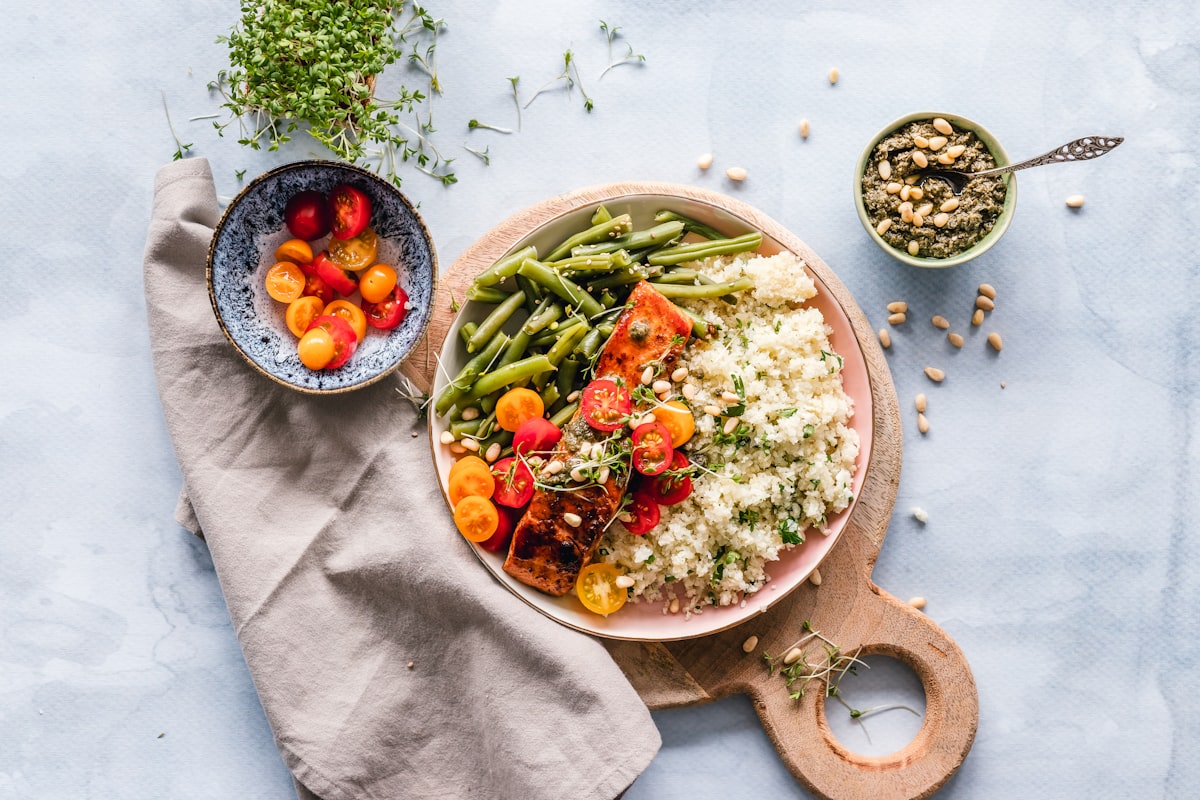
Common Questions About Food Allergies
Find answers to frequently asked questions about allergen management and safe alternatives.
What is the difference between an allergy and intolerance?
Food allergies involve an immune system response to specific proteins in food, which can be immediately dangerous. Food intolerances, like lactose intolerance, cause digestive discomfort but don't trigger immune reactions. This distinction is important for understanding severity and management strategies. Allergies require strict avoidance, while intolerances may allow small amounts of the offending food.
How can I read food labels to identify allergens?
In the UK, food labels must clearly list the 14 major allergens: peanuts, tree nuts, milk, eggs, fish, shellfish, soy, wheat, celery, mustard, sesame, sulphites, lupin, and molluscs. Look for bold text or an "Allergen" section. Also check for "May contain" warnings indicating cross-contamination risk. Always read labels even for familiar products, as manufacturers can change ingredients.
Can food allergies be outgrown?
Many childhood allergies, particularly to milk, eggs, wheat, and soy, can be outgrown as the digestive and immune systems mature. However, allergies to peanuts, tree nuts, and shellfish are often lifelong. Some people develop allergies later in life. Regular monitoring and professional guidance help determine if a person has outgrown an allergy. Never assume an allergy has been resolved without proper assessment.
What nutrients should I focus on when avoiding specific foods?
When eliminating allergenic foods, ensure you're meeting nutritional needs from alternative sources. Avoiding dairy? Seek calcium from fortified plant milks, leafy greens, and legumes. No eggs? Get choline from nuts, seeds, and fish. Avoiding nuts? Choose seeds and legumes for healthy fats and protein. A varied diet incorporating multiple food groups helps prevent nutritional gaps. Consider consulting our educational resources for detailed nutrient mapping.
How do I safely dine out with food allergies?
Communication is key when eating out. Call ahead to ask about allergen information and the kitchen's ability to prevent cross-contamination. Speak clearly with your server about your allergy—don't just say you have a preference. Many restaurants now offer allergen menus. Bring written cards listing your allergens if language is a barrier. Start with well-known chains that have clear allergen protocols.
Are there benefits to a mindful eating approach with allergies?
Mindful eating—paying full attention to food choices, flavours, and satiety cues—becomes especially valuable when managing allergies. It encourages reading labels carefully, planning meals intentionally, and savouring whole foods rather than processed alternatives. This practice reduces stress around food, improves digestion, and helps you discover delicious safe options you might otherwise overlook. It transforms allergy management from restriction into positive, intentional choices.